
Check the counterparty first
Company registration, a physical store, transaction procedures and regulatory credentials are different checks. A sign, receipt or partner logo alone does not establish credentials or guarantee safety.
Company and store information
Use the Companies Registry to check the company name and registration status, then confirm its relationship to the store. A registered address can differ from a trading address, and staff do not have to be directors or shareholders. If a specific licence is claimed, verify its type, status and permitted activities in the relevant official register. Company registration is not licence evidence.
Quotes and transaction records
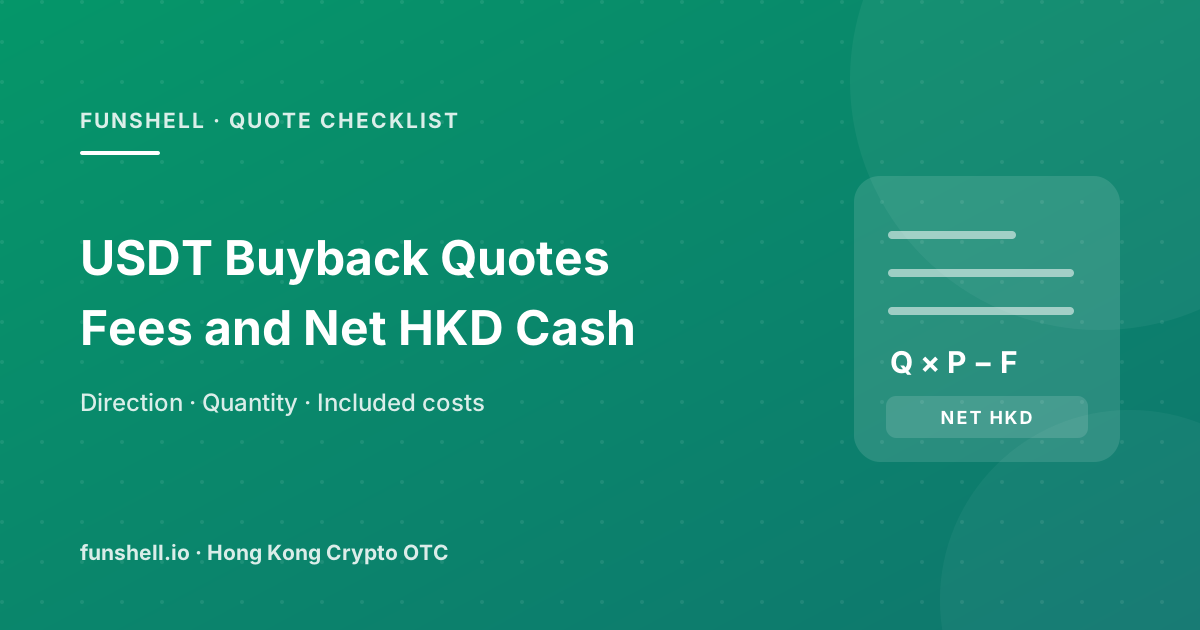
Confirm asset, direction, network and information requirements before visiting. Before settlement, check the complete quote, fees, final amount and address. Afterwards, retain verifiable records including the network, time and TXID.
Identity and source-information requirements should be explained case by case. A smaller amount does not automatically mean an exemption, and different providers need not share one threshold. Read the KYC and AML explanation.
Partner and screening claims
Ask how risk checks work and what evidence supports partnership claims. Displaying a security company's name or logo does not prove a partnership, authorization or completion of screening for a particular transaction.
Stop when circumstances are unclear
Stop and verify through official channels if somebody asks you to hide the purpose, use unexplained third-party accounts, send to unfamiliar addresses, disclose a recovery phrase or pay urgently for guaranteed returns. A successful small trade does not establish that later transactions are safe; sending a test payment is not a substitute for verification.
Preserve messages and transaction records and read the fraud-prevention guidance. Ask the appropriate authority or qualified professional about a particular provider's legal or regulatory status.